
How The Tech 2.0 Conference Helps Leaders Turn Technology Rollouts Into Adoption Success

Every year, organizations invest heavily in new platforms, automation tools, and digital systems, expecting measurable improvement. Yet months after deployment, dashboards show limited usage, teams return to old workflows, and executives question the return on investment. The issue is rarely the technology's quality. The real challenge is turning rollout into genuine adoption. Even mature organizations experience this problem. It does not reflect poor planning or a lack of capability, but how people respond to uncertainty, pressure, learning curves, and accountability. Technology implementations that succeed on paper often struggle in daily operations when human factors are overlooked. At the Tech 2.0 Conference, we welcome leaders to explore practical approaches used by organizations that successfully bridge the gap between technology deployment and daily use.
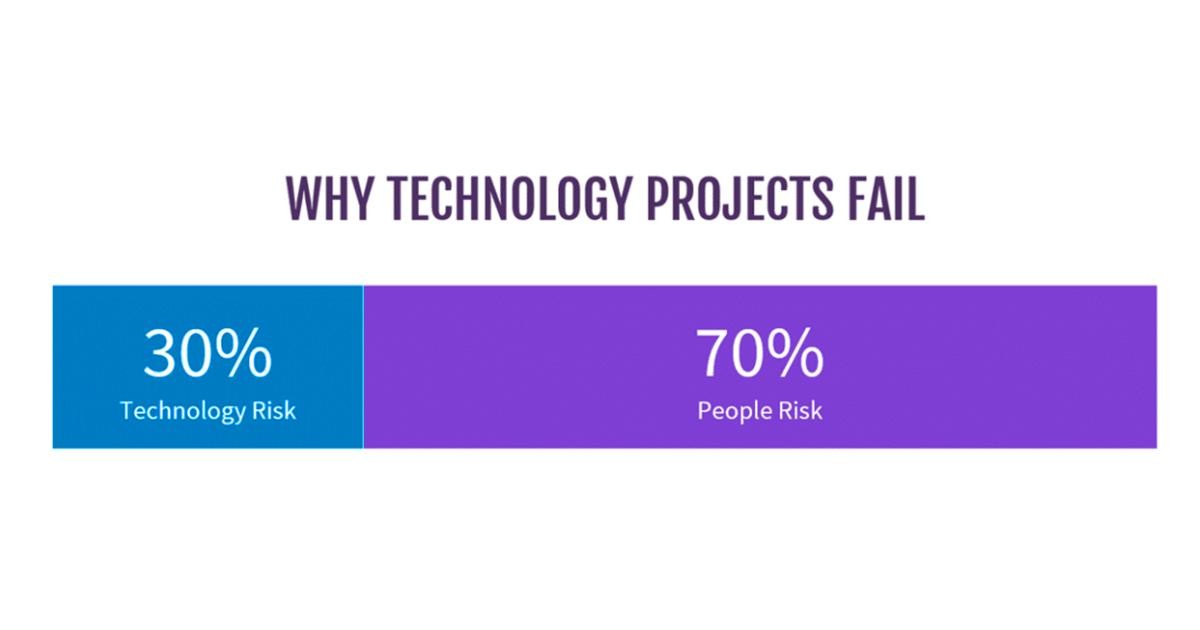
Research from McKinsey & Company indicates that fewer than 30% of transformations succeed, and only 16% deliver sustained performance improvement, highlighting how implementation alone rarely guarantees real results. Addressing this gap requires leaders to rethink how technology initiatives are introduced, supported, and integrated into everyday workflows. Without further ado, let us move from theory to practical execution.
TL;DR: Quick Takeaways
- Shows that technology initiatives often fail due to low adoption rather than poor software quality.
- Explains how uncertainty, risk perception, and workflow disruption make employees hesitate.
- Demonstrates that visible leadership participation increases acceptance and trust.
- Highlights the importance of training focused on real tasks rather than only on features.
- Exhibits how pilot rollouts and controlled experimentation improve confidence.
- Reveals that usage data helps identify support gaps and refine implementation.
- Emphasizes that successful transformation depends on guiding people, not just installing tools.
Why Technology Rollouts Fail
Imagine a logistics company introducing an AI-driven planning platform. The system predicts delays, optimizes routes, and automates reporting that used to take hours. Management expects efficiency gains within months and plans decisions around those projections.
Three months later:
- Drivers still call dispatch instead of using the dashboard.
- Managers manually export spreadsheets.
- The analytics module remains largely unused.
The project technically works, but operationally fails. Do you wonder why? This pattern appears across industries because rollouts often prioritize capability over usability. When behavior change is ignored, the likelihood of successful transformation drops significantly. Sessions at our tech conference examine similar real-world scenarios and explain what changes in communication, onboarding, and workflow alignment could have prevented this outcome.
Common Barriers To Technology Adoption
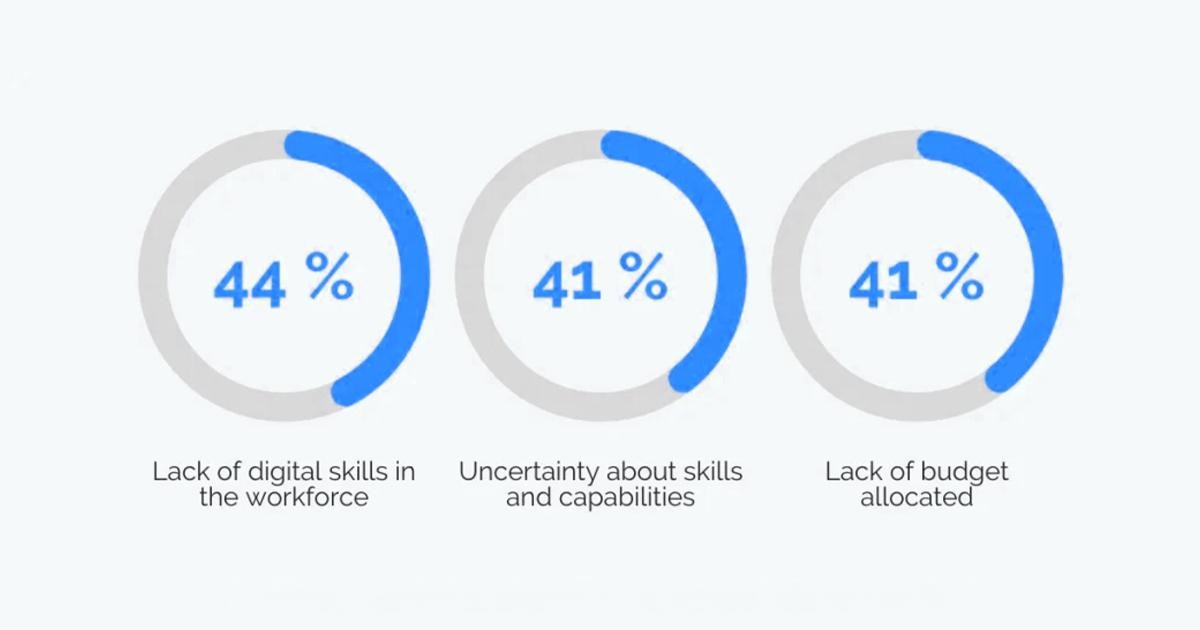
Technology adoption depends on confidence and clarity. If people do not feel comfortable changing how they work, even advanced tools remain underused. This is why discussions at our tech and innovation conference focus on designing adoption alongside implementation rather than treating it as a follow-up activity. Organizations repeatedly encounter the same barriers, which are as follows:
- Employees hesitate to rely on automated decisions.
- Early usage feels slower than familiar methods.
- Training focuses on features rather than daily workflows.
- Incentives continue to reward legacy processes.
- New systems interrupt established routines.
Why Employees Hesitate To Use New Technology
Employees rarely reject technology outright. They hesitate when change feels unclear, risky, or disruptive to their responsibilities. What appears to be resistance is often a practical response to uncertainty and workload pressure.
Our tech conference highlights how understanding employee hesitation allows organizations to redesign rollout strategies before resistance begins. Some of the reasons why the hesitation persists are mentioned below:
1. Lack of A Clear Purpose
People adopt tools more quickly when they understand their personal impact. If communication focuses solely on company efficiency, employees struggle to see the relevance of their daily work.
2. Fear Of Mistakes
New systems make actions more visible. Employees worry about errors in unfamiliar environments, especially when performance is measured. They delay usage until they feel safe.
3. Workflow Disruption
Even helpful tools initially slow productivity. During busy periods, employees choose speed over improvement and return to familiar habits.
4. Mixed Signals From Management
If managers still accept outputs outside the platform, teams interpret the system as optional. Observed behavior outweighs official instruction.
The Secret To Technology Adoption
While installing a system does not automatically change how people work, the Tech 2.0 Conference equips decision-makers with structured leadership practices that align expectations, training, and accountability from the start of rollout.
Adoption depends on how leaders guide the transition. Employees need clarity, reassurance, and direction before new tools become routine. Below are the practices that determine whether technology becomes productive or is ignored.
- Clarifying The Purpose
People resist uncertainty, not improvement. Acceptance increases when change connects directly to daily responsibilities. Having a clear direction turns adoption into a shared objective.
Effective actions:
- Link the tool to measurable personal benefits.
- Explain how it supports organizational goals.
- Demonstrate usage instead of delegating adoption.
- Addressing Concerns
New systems create practical worries about speed, monitoring, and job stability. Ignoring these reactions delays usage. Confidence grows when employees feel supported rather than evaluated.
Practical responses:
- Encourage open discussion about frustrations.
- Share real examples of improved outcomes.
- Provide continuous assistance beyond initial training.
- Closing Capability Gaps
Technology often requires skills employees have not yet developed. Expecting instant proficiency creates avoidance.
Effective preparation:
- Provide structured learning tied to real tasks.
- Use specialists during early implementation.
- Combine training with selective hiring when needed.
- Encouraging Experimentation
Technology improves through use and feedback. Organizations that allow safe testing see faster adoption.
Supportive actions:
- Allow controlled testing environments.
- Reward workflow improvement ideas.
- Promote collaboration between departments.
- Managing The Rollout Carefully
A rushed rollout overwhelms teams and reduces trust. Successful organizations treat implementation as a staged transition. Gradual change stabilizes performance while building confidence.
Key practices:
- Start with pilot groups.
- Demonstrate real use cases.
- Track usage and refine continuously.
- Using Data To Guide Decisions
Adoption generates valuable insight into behavior, productivity, and skill gaps. When analyzed correctly, it improves both the technology and the workflow.
Data can be used to:
- Measure engagement across departments.
- Adjust training based on usage patterns.
- Identify where additional support is required.
Evidence-based decisions prevent assumptions from shaping strategy and enable organizations to respond quickly to real problems rather than perceived ones.
Leadership Shapes The Outcome Of Digital Change
Digital tools are advancing rapidly, but technology alone does not create progress. Organizations that actively guide employees through change gain efficiency and adaptability. Those who treat implementation as a one-time deployment rarely achieve meaningful results. While many technology events overlook this issue, the Tech 2.0 Conference directly addresses it by focusing on the practical side of transformation.
Discussions move beyond product capability and toward adoption strategy, behavior, and execution. In an environment where digital change continues to accelerate, success depends less on software selection and more on how organizations help people transition into new ways of working. This is just a glimpse into one chapter of our tech conference. You too can join the discussions at our upcoming innovation conference and steer your organization toward excellence in technology.
FAQs
1. Can gamification or incentives boost technology usage?
- Yes, rewarding employees for completing training, hitting usage milestones, or providing improvement suggestions can motivate consistent engagement with new systems.
2. How does remote or hybrid work impact adoption?
- Distributed teams often face additional adoption challenges, such as limited hands-on support and inconsistent communication. Digital collaboration tools and virtual training become critical in these environments.
3. How does the Tech 2.0 Conference differ from other tech events?
- Unlike product-centric expos, the Tech 2.0 Conference focuses on practical leadership strategies, real-world adoption challenges, and how organizations can turn technology investments into operational impact.
4. Which industry-focused themes and technologies are discussed at the tech conference?
- Our innovation conference features themes across AI & machine learning, cloud computing, cybersecurity, Internet of Things (IoT), and Automation.
5. Are follow-up resources provided post-conference?
- Attendees gain access to all session recordings after the tech conference, along with actionable insights they can immediately apply to drive impact within their organizations.
Recent Blogs

Why Does Understanding People Matter More Than Ever In Marketing? Lessons From Tech 2.0 Conferences 2026 Discussion

Explore How The 2026 Edition Of Tech 2.0 Conference Examines AI’s Influence On The Modern Workplace

Tech 2.0 Experts On The Future Of Technical Teams In A No-Code AI World

Tech 2.0 Conference Announces The Scale Agency As Its Marketing Partner

Explore The Future Of Digital Transformation With Tech 2.0 Conference’s Dubai Agenda