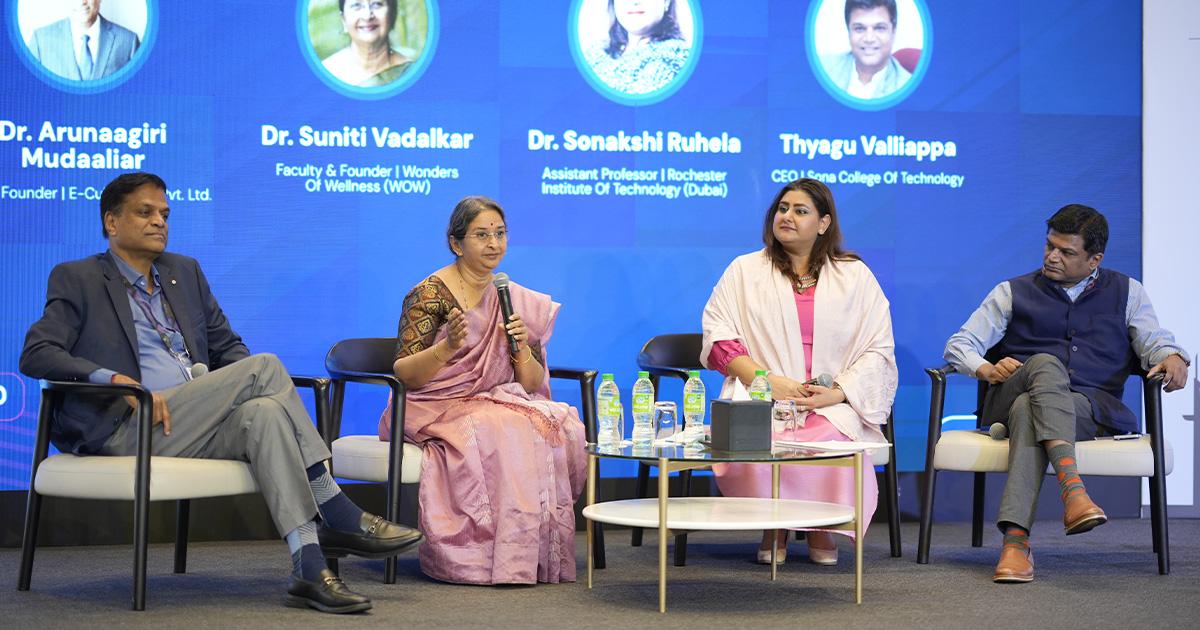
Explore How The 2026 Edition Of Tech 2.0 Conference Examines AI’s Influence On The Modern Workplace

What happens when technological change advances faster than organizations can adapt? Imagine a marketing manager beginning the workday by reviewing an AI-generated campaign report, using an AI assistant to draft content, and analyzing customer insights produced in minutes rather than hours. Just a few years ago, many of these tasks required significant manual effort. Today, they are becoming part of everyday work across industries, which illustrates how quickly AI is changing the workplace. Across industries, artificial intelligence is moving from experimentation to implementation at a pace that few anticipated just a few years ago.
Businesses are integrating AI into daily operations, employees are learning to work alongside intelligent systems, and leaders are reassessing workforce strategies to keep pace with evolving demands. These developments have gained traction at the tech and innovation conferences of 2026. These global technology events convene technology leaders, innovators, and business decision-makers to examine the practical implications of AI adoption across industries. As AI capabilities continue to expand, understanding their impact on jobs, skills, and workplace structures is becoming increasingly important for business leaders and professionals alike.
TL;DR: Quick Overview
- AI is transforming how work is performed across industries.
- Automation is changing both routine and knowledge-based tasks.
- New roles and skill requirements are emerging alongside AI adoption.
- Organizations are redesigning workflows to integrate AI tools.
- Human expertise remains essential despite growing automation.
- Workforce readiness is becoming a priority for business leaders.
Why AI Is Transforming Work So Quickly
Previous technological shifts often required years or even decades to achieve widespread adoption. AI, however, is advancing amid rapid digital connectivity, cloud computing growth, and increasing data availability. Among the upcoming tech conferences of 2026, including the Tech 2.0 Conference, conversations about workplace transformation will be a central theme, highlighting how rapidly AI is entering business operations.
According to McKinsey's State of AI 2025 report, 88% of organizations use AI in at least one business function, up from 78% the previous year, underscoring the accelerating pace of adoption across industries. Unlike traditional automation tools that primarily focus on repetitive tasks, modern AI systems can analyze information, generate content, identify patterns, and support decision-making. This broader range of capabilities allows organizations to apply AI across multiple business functions simultaneously. Several factors that are accelerating adoption are as follows:
-
Increasing Access To AI Tools
AI technologies are becoming more accessible to organizations of all sizes. Cloud-based platforms, AI assistants, and automation tools can now be deployed without extensive technical infrastructure, allowing businesses to experiment and scale solutions more quickly.
-
Rising Demand For Efficiency
Organizations continue to face pressure to improve productivity while managing costs. AI can help streamline processes, reduce administrative workloads, and support faster decision-making, making it an attractive investment for many businesses.
-
Growing Availability Of Data
Businesses generate large volumes of operational, customer, and performance data. AI systems can help analyze this information more efficiently, enabling organizations to identify opportunities and improve strategic planning.
-
Increasing Competitive Pressure
As more organizations incorporate AI into their operations, competitors are facing growing pressure to keep pace. Businesses are exploring AI to improve efficiency, enhance customer experiences, accelerate innovation, and maintain their market position. This competitive environment is encouraging faster adoption across sectors.
How AI Is Changing Everyday Work
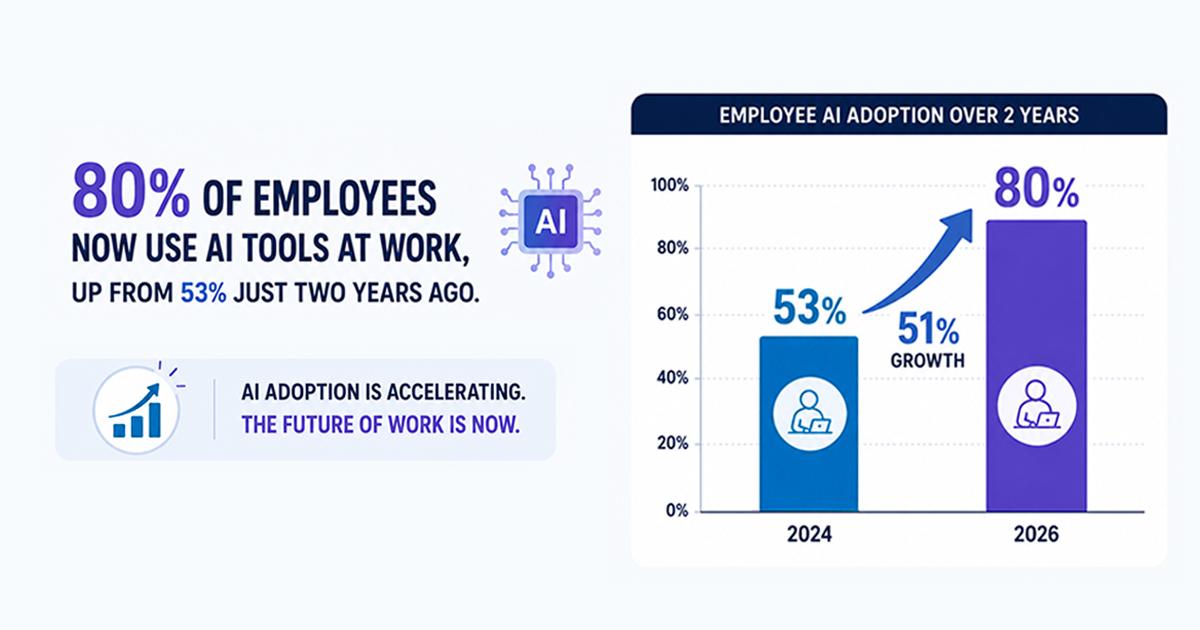
The impact of AI extends beyond technology departments. Employees across a wide range of functions are already using AI-powered tools to improve productivity and support daily tasks. AI is increasingly becoming part of routine workplace activities across industries, rather than being limited to specialized technical roles.
From administrative support to strategic planning, organizations are finding new ways to integrate AI into everyday workflows and enhance operational efficiency. Some of the areas where AI is having a noticeable impact include:
-
Administrative Operations
AI is helping automate scheduling, document processing, reporting, and customer service activities. This reduces time spent on repetitive tasks and allows employees to focus on higher-value responsibilities.
-
Knowledge Work
Professionals in areas such as marketing, finance, legal services, and consulting are increasingly using AI to analyze information, generate drafts, summarize research, and support decision-making processes.
-
Software Development
Developers are using AI-powered coding assistants to improve productivity, identify errors, and accelerate development cycles. This is changing how software teams approach programming and project delivery.
-
Customer Experience
Organizations are deploying AI-driven chatbots, virtual assistants, and recommendation systems to improve customer interactions and provide more personalized experiences.
Building Workforce Readiness In The Age Of AI
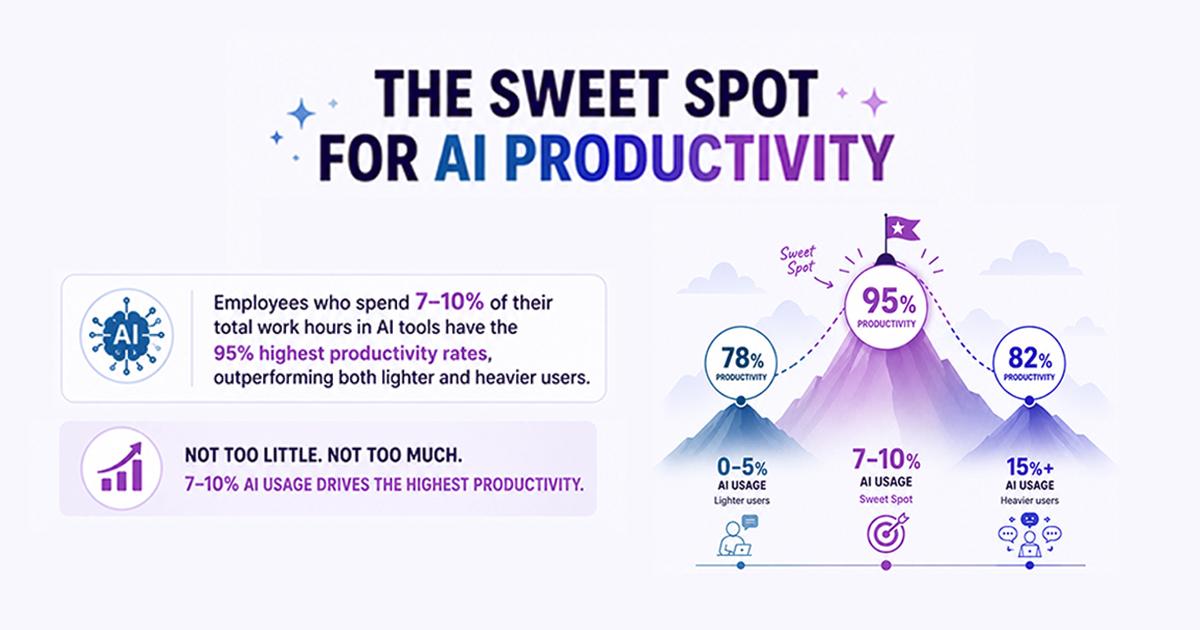
As AI adoption expands, workforce requirements are evolving. While technical skills remain important, organizations are increasingly recognizing the value of capabilities that complement AI rather than compete with it. These shifts are becoming an important focus at technology conferences across Singapore in 2026. Let us now look at the several capabilities that are becoming particularly important:
-
Critical Thinking: Employees must be able to evaluate AI-generated outputs, assess reliability, and make informed decisions based on available information. This helps ensure that insights and recommendations are applied appropriately within different business contexts.
-
Creativity: AI can generate ideas and content, but human creativity remains essential for innovation, strategic thinking, and problem-solving. Original thinking continues to play an important role in developing solutions that address complex business challenges.
-
Communication: As workplaces become more technology-driven, effective communication remains critical to collaboration and decision-making. Clear communication helps teams interpret information, align priorities, and implement decisions effectively.
-
Digital Literacy: Understanding how AI tools work and how to apply them effectively is becoming increasingly valuable across industries. Employees who can confidently navigate digital technologies are often better equipped to adapt to evolving workplace requirements.
Challenges Organizations Must Address
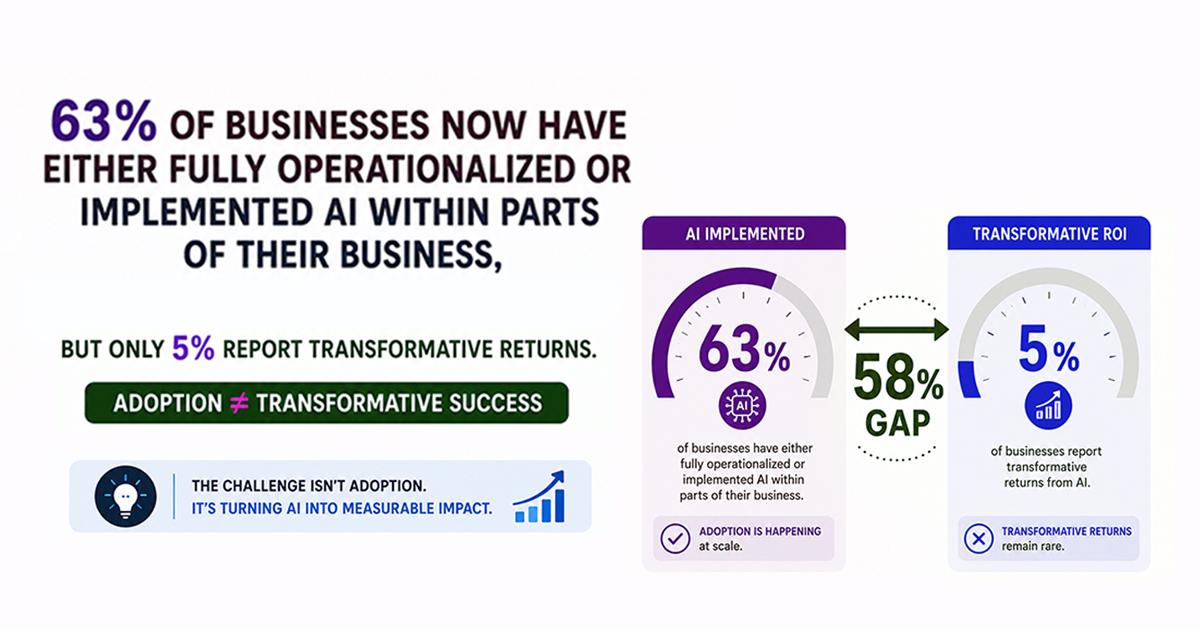
While AI creates significant opportunities, implementation also introduces important considerations. Organizations must balance innovation with responsible adoption while ensuring that people, processes, and governance frameworks evolve alongside technology. According to the World Economic Forum's Future of Jobs Report 2025, 63% of employers identify skill gaps in the labor market as a major barrier to business transformation.
This underscores the need for organizations to address workforce and operational challenges as AI adoption accelerates. As AI becomes more deeply embedded in business operations, addressing these challenges is becoming a priority across industries. Key areas requiring attention include:
-
Workforce Readiness: Organizations must ensure employees have access to training and development opportunities that help them adapt to changing job requirements.
-
Ethical Considerations: Questions around transparency, accountability, and responsible AI use continue to receive significant attention across industries.
-
Change Management: Successful AI adoption requires clear communication, leadership support, and structured implementation strategies that help employees navigate change effectively.
-
Data Governance: AI systems depend on quality data. Organizations must establish appropriate governance frameworks to ensure accuracy, privacy, and compliance.
What The Future Of Work May Look Like
Rather than replacing entire workforces, AI is expected to reshape how work is performed. Many routine activities may become increasingly automated, while human roles evolve toward oversight, strategy, collaboration, and complex problem-solving. Organizations are likely to continue adopting hybrid models in which employees and AI systems work together to improve productivity and outcomes. This shift places greater importance on adaptability, continuous learning, and workforce development.
As AI capabilities continue to advance, leaders will need to evaluate which technologies to adopt and how to prepare employees for changing workplace expectations. If you are interested in understanding how AI is influencing the future of work, join the upcoming edition of the Tech 2.0 Conference in Singapore to explore emerging technology trends, hear from industry leaders, and gain insights into the innovations shaping tomorrow’s workplace.
FAQs
1. Will AI replace jobs entirely?
A. AI is expected to automate certain tasks, but many roles will continue to require human judgment, creativity, communication, and problem-solving. In many cases, AI is being used to support employees rather than replace them.
2. Which industries are being most affected by AI?
A. AI is influencing a wide range of industries, including healthcare, finance, manufacturing, retail, education, and technology. Its applications continue to expand as organizations identify new ways to improve efficiency and decision-making.
3. What topics are explored at the Tech 2.0 Conference?
A. The Tech 2.0 Conference covers emerging technologies, artificial intelligence, digital transformation, cybersecurity, workplace innovation, and other developments shaping the future of technology and business.
4. Why is workforce upskilling important in the age of AI?
A. As workplace requirements evolve, employees need new skills to work effectively with emerging technologies. Upskilling helps organizations remain competitive while preparing employees for changing job responsibilities.
5. Who should attend the Tech 2.0 Conference?
A. Our upcoming editions of the technology conference are designed for technology leaders, business executives, entrepreneurs, innovators, IT professionals, and decision-makers interested in understanding emerging technology trends and their business impact.
Author Bio
Ayushi Bhatti

Ayushi Bhatti is a Content Writer at the Tech 2.0 Conference. She crafts engaging content on emerging themes, including AI and machine learning innovations, digital transformation journeys, cybersecurity breakthroughs, scam and fraud prevention, sustainable tech solutions, and data-driven strategies. Outside of her professional work, Ayushi enjoys cooking, dancing, and writing poetry, channeling her creativity both on and off the page.
Recent Blogs
Why Does Understanding People Matter More Than Ever In Marketing? Lessons From Tech 2.0 Conferences 2026 Discussion
Tech 2.0 Experts On The Future Of Technical Teams In A No-Code AI World

How The Tech 2.0 Conference Helps Leaders Turn Technology Rollouts Into Adoption Success

Tech 2.0 Conference Announces The Scale Agency As Its Marketing Partner
Explore The Future Of Digital Transformation With Tech 2.0 Conference’s Dubai Agenda