Tech 2.0 Experts On The Future Of Technical Teams In A No-Code AI World
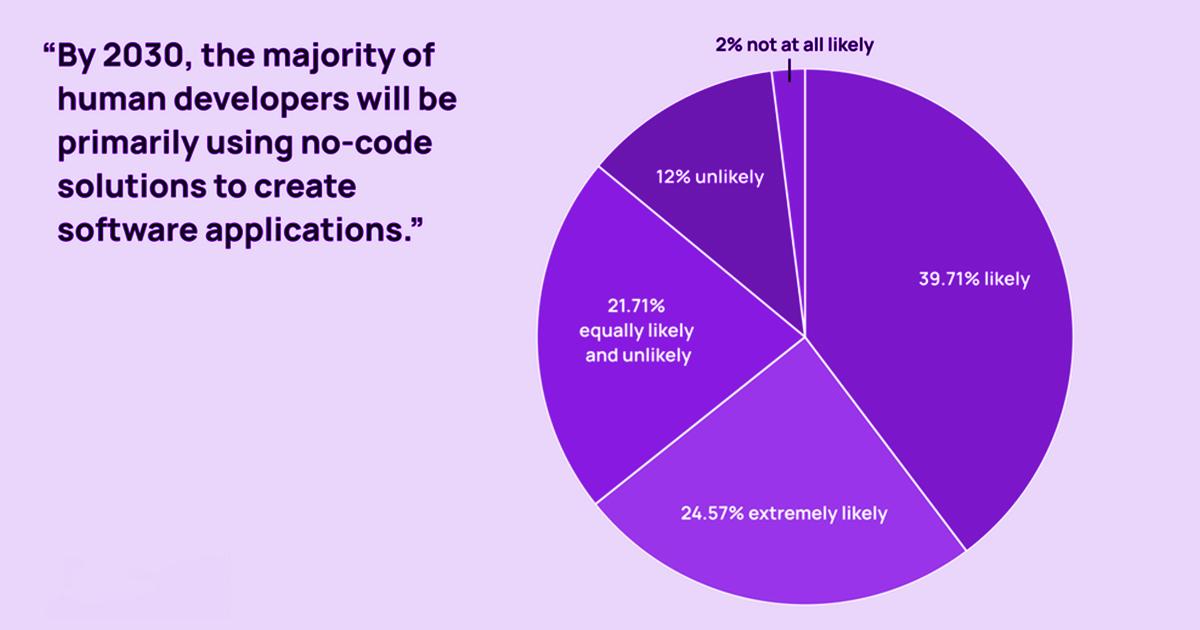
The distinction between traditional software development and business operations is dissolving faster than ever. No-code platforms and artificial intelligence (AI) are empowering a broader range of employees to build, automate, and optimize solutions without deep programming expertise. What was once restricted to specialized development teams is now becoming part of everyday work across departments. This democratization of technology is not only accelerating innovation but also enabling employees at all levels to contribute directly to problem-solving and efficiency improvements. Many technology events, including the Tech 2.0 Conference, offer professionals a unique opportunity to explore these changes firsthand. According to a Gartner survey, by 2026, 75% of new applications will be built using low‑code or no‑code platforms, underscoring how these technologies are transforming software development and deployment.
Similarly, recent industry analysis suggests that AI will drive growth for 45% of the fastest-growing enterprises, highlighting its central role in modern business growth. Yet this shift is not merely a technological evolution as it also alters team dynamics, leadership expectations, skill requirements, and organizational strategy. Our tech conference features expert-led sessions, real-world case studies, and interactive discussions designed to equip attendees with actionable insights and practical strategies for navigating the AI and no-code landscape.
TL;DR: Quick Overview
- Reveals how AI amplifies human productivity beyond coding tasks.
- Depicts the shift from siloed teams to agile, cross-functional units.
- Emphasizes the need for continuous learning and skill development.
- Highlights the role of no-code in closing the tech skills gap.
- Showcases actionable insights and real-world examples through conference sessions.
- Underlines the connection between innovation and strong documentation practices.
- Demonstrates how organizations can stay competitive by integrating AI and no-code effectively.
No-Code And AI: Breaking Down Traditional Roles
Historically, product managers gathered user requirements, designers defined experiences, and engineers coded solutions. This linear progression, while organized, created bottlenecks and long delivery cycles.
Today, no-code tools put the ability to prototype, test, and iterate into the hands of a much wider audience. With AI handling tasks like data analysis, code generation, and workflow automation, teams are moving away from rigid role boundaries toward a more fluid model of collaboration.
AI and no-code allow:
- Business users are to streamline their own workflows.
- Designers to test user journeys without waiting for engineering.
- Engineers focus on architecture and scale rather than repetitive coding.
In this new model, product managers still guide strategy, but they can now experiment directly with prototypes. Designers can explore user journeys in near real time, while engineers act as validators and integrators rather than sole creators. Our tech and innovation summit covers these themes extensively, including AI & machine learning, automation & robotics, cloud computing, and IoT, showing attendees how these technologies reshape team dynamics and collaboration. This convergence is redefining team structures so that cross-functional collaboration is no longer just an aspiration but an operational reality.
How AI Transforms Work Beyond Coding
As Sam Altman, CEO of OpenAI, once said, "AI won't replace humans. But humans who use AI will replace those who don't." This underscores that AI is a tool to amplify human capabilities rather than merely automate tasks, highlighting why developers and technical teams should embrace AI to remain effective and competitive. While automated code generation is an important benefit of AI, its greater value lies in reducing the background work that has traditionally consumed developers' time. Here's what AI assistants can do:
- Draft documentation as code is written.
- Auto-fill standard functions.
- Assist with testing and quality checks.
- Reduce time spent on manual tasks.
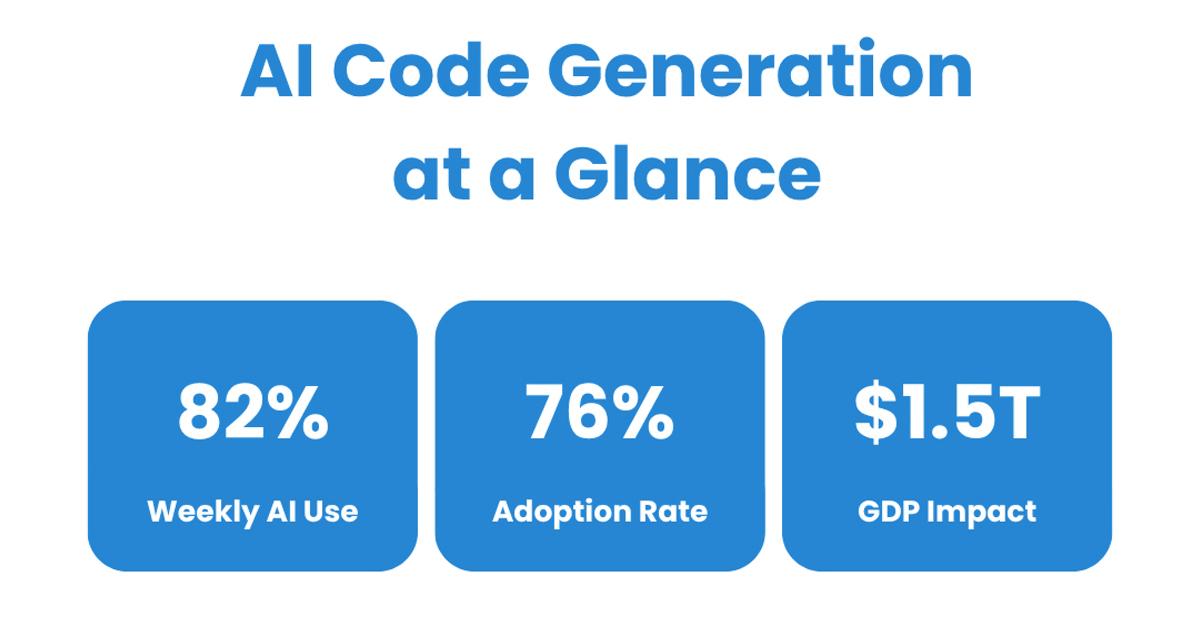
According to research on AI coding assistants, developers completed coding tasks nearly 56% faster when using the tool, which shows how AI can reduce time spent on repetitive tasks and improve overall productivity.
From Siloed Teams To Agile Units
One of the most visible changes driven by AI and no-code tools is how teams are structured. Rather than large teams of 30 or more focused on a single project, companies are adopting smaller, modular units that can operate independently with greater clarity and focus. Smaller teams reduce communication overhead and allow faster decision-making. With AI handling repetitive tasks, these compact teams can focus more on problem-solving and strategic innovation.
For instance:
- A small group of a product manager, designer, and engineer can prototype, test, and ship features autonomously.
- Collaboration becomes real-time rather than lagging behind due to dependency on external teams.
- Context is naturally shared through tools rather than documents or tickets.
This structure supports faster iteration and clearer visibility into both challenges and progress. Moreover, attending our tech and innovation summit will give attendees an opportunity to explore these team transformation strategies in depth, through expert-led sessions and panel discussions.
Closing The Tech Skills Divide
One persistent challenge in digital teams has been the shortage of experienced developers and AI talent. McKinsey projects that demand for technology skills in areas such as AI, data science, and DevOps is significantly outpacing supply, creating a talent bottleneck that organizations must address to remain competitive.
No-code AI platforms provide a partial solution. They let non-technical staff build tools and automate processes without waiting for specialists, thereby accelerating responsiveness and reducing reliance on limited technical staff. Deep technical expertise is still needed, but the contributor pool widens, and specialists can focus on high-value problems.
The Role Of Leadership In AI And No-Code Adoption
As roles evolve, leadership becomes a determining factor in whether these tools succeed or fail in practice. AI and no-code democratize access to development, but without clear direction, they can also generate chaos:
- Fragmented automation workflows.
- Duplication of effort across departments.
- Uncontrolled sprawl of tools or apps.
Leadership must:
- Establish governance frameworks.
- Define standards and guardrails.
- Support cross-functional collaboration.
- Promote shared learning and documentation quality.
Maintaining accurate and high-quality documentation is essential. Poor documentation can lead AI systems to propagate errors, creating technical debt and reducing the effectiveness of automation. This is precisely why the Tech 2.0 Conference agenda theme, "Innovation In Overdrive: The Artificial Intelligence Race," is so relevant for innovators. Our tech conference helps leaders understand how to implement AI and no-code effectively, thereby creating a balance between innovation and governance to maximize impact across their organizations.
Building A Culture Of Learning And Adaptation
For teams to leverage AI effectively, learning must become part of the daily workflow. Effective AI adoption involves workshops, paired programming sessions, knowledge sharing forums, and leadership support. By linking successful outcomes to continuous learning, teams can build confidence in new tools, safely embrace experimentation, and internalize best practices across functions.
The shift to AI and no-code is not theoretical; it is happening now, and how organizations respond will determine competitive advantage. Unlike many technology events that focus on individual technologies or vendors, our tech and innovation summit places people, processes, and organizational transformation at the center of the discussions. Innovators and leaders can directly engage with practitioners who have guided real transitions and gain practical resources for future planning.
Embracing AI And No-Code For The Future Of Technical Teams
No-code and AI are not marginal innovations, but they are reshaping the very foundations of how technical teams operate. These technologies break down silos, enable broader participation in development, and accelerate experimentation and delivery. But technology alone cannot drive transformation.
The success of individuals and teams depends on leadership that integrates new tools into team structures, encourages continuous learning, and builds environments where collaboration flourishes. Professionals looking to gain practical insights and strategies on implementing AI and no-code within their teams can benefit from attending our upcoming tech conference in Las Vegas, USA.
FAQs
1. What are some risks of over-relying on AI in development teams?
- Over-reliance can lead to poor documentation, hidden errors, or duplicated workflows. Teams must maintain oversight and quality controls to avoid such risks.
2. How can I stay updated on future events and insights from the Tech 2.0 Conference?
- You can join our network to receive updates on upcoming conferences, themes and topics, speakers, and exclusive resources.
3. How does no-code impact innovation cycles in organizations?
- No-code tools enable rapid prototyping, shorter iteration cycles, and faster testing of ideas, which promotes a culture of experimentation.
4. Can AI and no-code replace traditional developers entirely?
- No, AI and no-code can amplify productivity and enable wider participation, but they cannot replace the expertise of skilled developers for complex tasks.
5. How can organizations become sponsors at the Tech 2.0 Conference?
- Organizations can apply for sponsorship opportunities to showcase solutions, connect with decision-makers, and position their brand among global innovators at our tech conference. You can get in touch with the conference team for more support.
Recent Blogs
Why Does Understanding People Matter More Than Ever In Marketing? Lessons From Tech 2.0 Conferences 2026 Discussion

Explore How The 2026 Edition Of Tech 2.0 Conference Examines AI’s Influence On The Modern Workplace
How The Tech 2.0 Conference Helps Leaders Turn Technology Rollouts Into Adoption Success

Tech 2.0 Conference Announces The Scale Agency As Its Marketing Partner
Explore The Future Of Digital Transformation With Tech 2.0 Conference’s Dubai Agenda