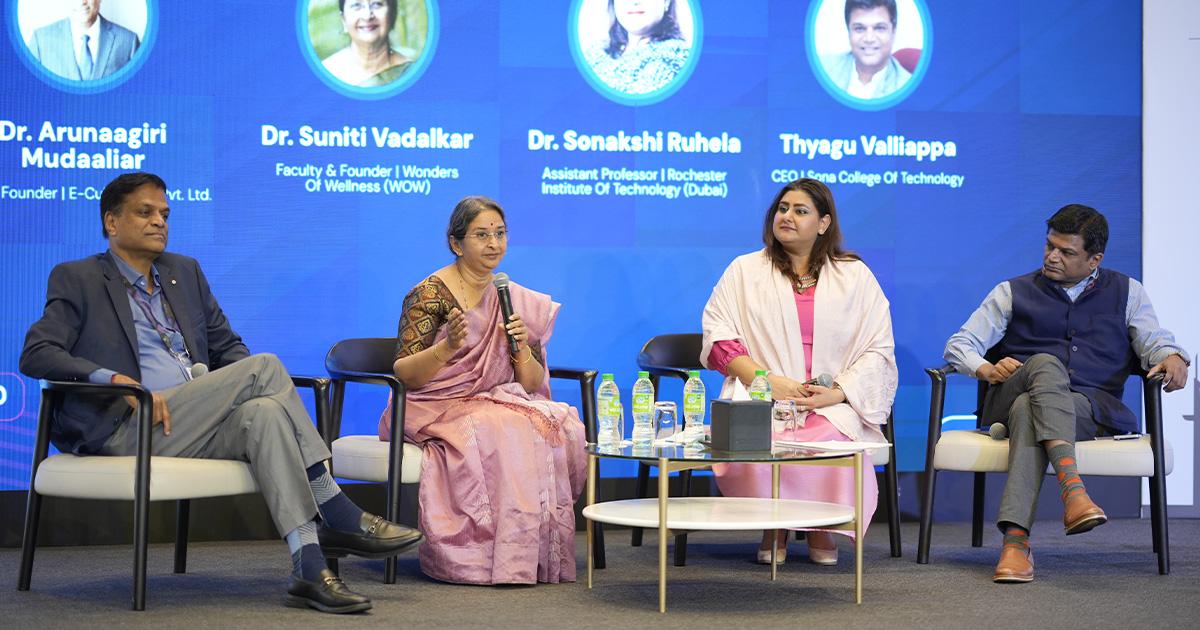
Why Does Understanding People Matter More Than Ever In Marketing? Lessons From Tech 2.0 Conferences 2026 Discussion
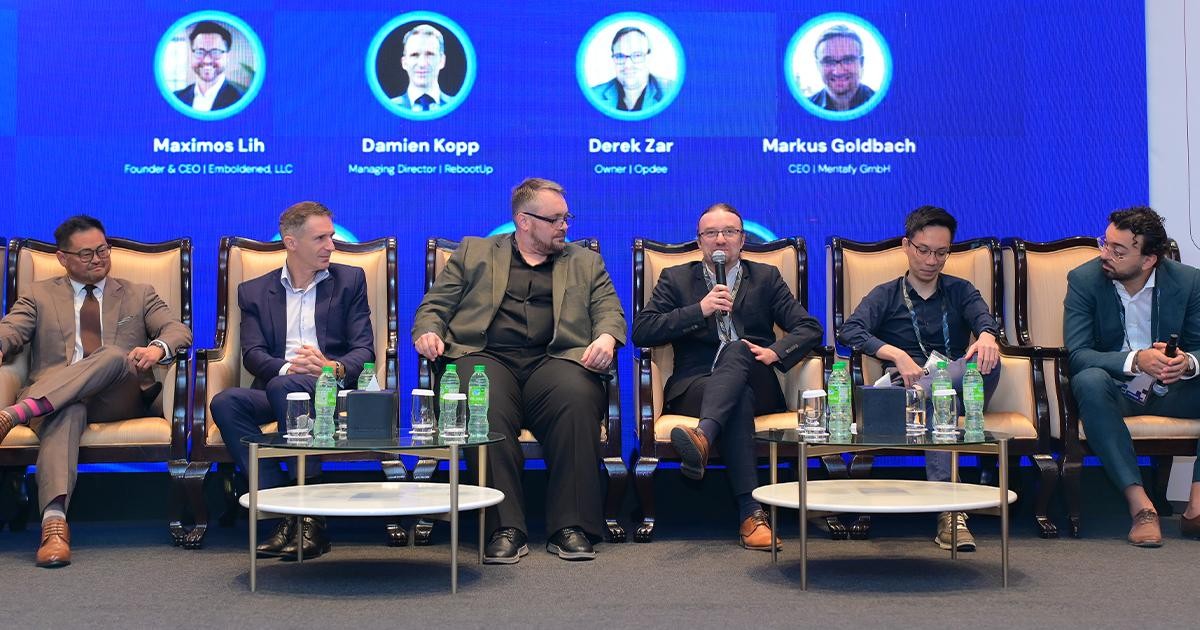
Every brand wants to be understood by its audience. Yet the challenge is rarely getting a message out into the world. The real challenge is making sure that the message feels genuine when it arrives.
At a time when businesses are investing heavily in AI-powered tools, data-driven strategies, and new ways of reaching customers, authenticity has become more important than ever. People are no longer looking only for products and services. They want communication that feels relevant, respectful, and connected to their experiences.
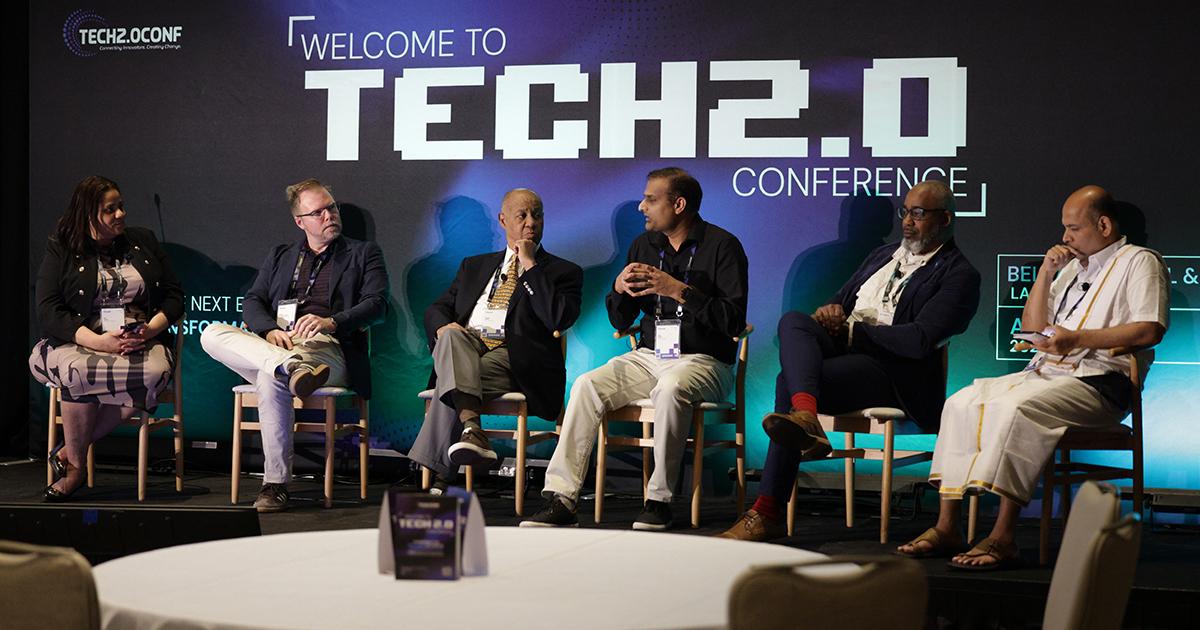
These ideas formed the foundation of an engaging discussion at the Tech 2.0 Conference, held at the Bellagio Hotel & Casino in Las Vegas, Nevada, USA, from April 7–9, 2026. Bringing together moderator Yvette Schmitter and panelist Dr. T. Morris Fowler, the session, "Diversity Is Not A Trend: How To Market Without The Cringe Factor," explored how organizations can build stronger connections with audiences by moving beyond assumptions and focusing on authentic human understanding. Through perspectives on audience connection, consumer behavior, AI bias, and representation, the session at the tech summit offered valuable insights into what meaningful marketing looks like in practice.
Looking Beyond Labels And Seeing The People Behind Them
Marketing conversations often include phrases such as “diverse audiences,” but those words can sometimes create distance instead of connection. Categories, segments, and demographics may help organize information, yet they do not tell the full story of the people businesses hope to reach.
One idea that remained central throughout the discussion was the scale of the opportunity that exists within diverse audiences. With more than $5 trillion in spending power represented within these communities in the United States alone, the focus naturally shifted from representation to understanding. The question is not simply how to reach these audiences. The question is how to connect with them in a way that feels authentic and relevant.
People want to see themselves reflected accurately in the messages directed toward them. They want communication that recognizes their experiences rather than relying on assumptions. When organizations approach audiences through stereotypes or surface-level representation, the disconnect becomes obvious. Trust becomes difficult to build because audiences quickly recognize when a message was created without genuine understanding.
This perspective was reflected in the words of Yvette Schmitter, CEO & Co-founder of Fusion Collective, who stated, “The world is my world for how I live in it. But if I want to sell my and if I want that piece of that $5 trillion market, it ain’t about me.”
That thought carries an important lesson for marketers. Effective communication begins when organizations move beyond their own perspective and invest time in understanding the people they hope to serve.
The Emotional Side Of Every Purchasing Decision
People encounter advertisements, products, and marketing messages throughout their day. Most are quickly forgotten. A small number leaves a lasting impression. The difference often comes down to emotion.
While businesses naturally focus on products and services, purchasing decisions are rarely influenced by features alone. People connect with ideas, experiences, aspirations, and feelings. They remember messages that make them feel understood.
This is where marketing becomes more than promotion. It becomes an exercise in human connection.
Drawing from the relationship between psychology and marketing, Dr. T. Morris Fowler emphasized that successful communication has always been rooted in understanding emotional drivers. Products may solve practical problems, but people often make decisions based on what those products represent in their lives.
As Dr. T. Morris Fowler, CEO & Author of Fowler Media Group, explained, “People are not interested in a car. They’re not interested in a suit. They’re not interested in shoes or a nice iPad. They’re interested in a feeling.”
That perspective shifts the focus from selling products to understanding experiences. It encourages marketers to think about what their audience values, what matters to them, and how their messaging fits into those realities. When communication reflects those deeper motivations, it becomes easier for audiences to form genuine connections with a brand.
Technology Can Create Content, But Understanding Still Matters
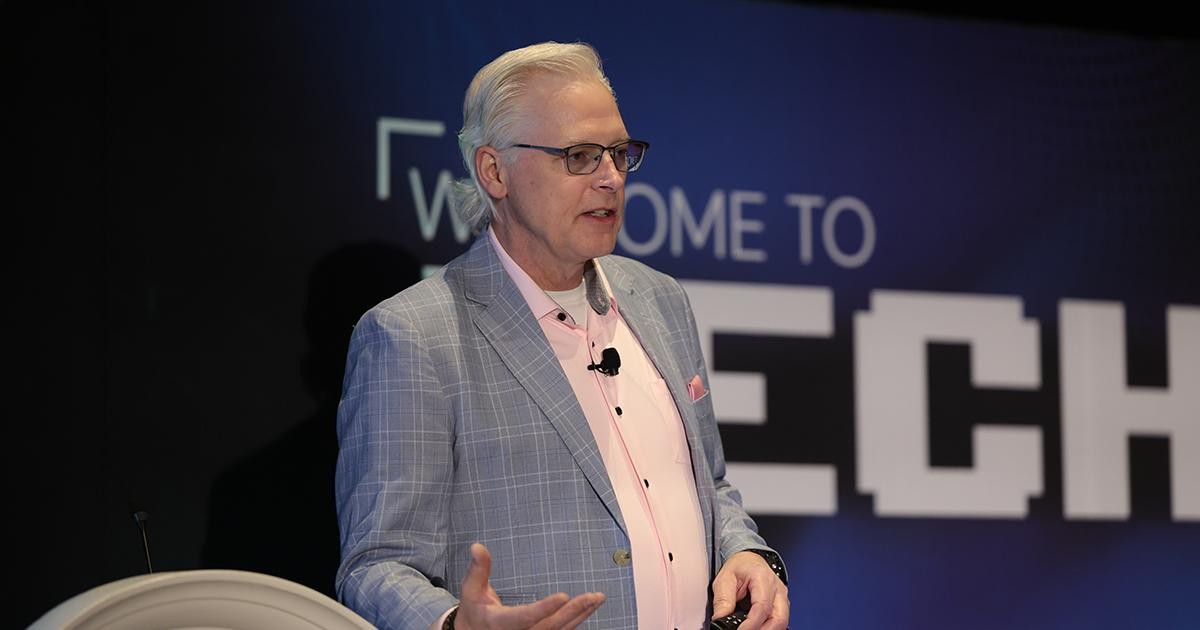
As artificial intelligence becomes increasingly integrated into marketing workflows, organizations have gained access to tools capable of generating content, developing campaigns, and producing creative assets at remarkable speed.
Speed, however, is not the same as understanding.
As conversations around AI continued throughout our tech conference, one idea stood out in particular: the relationship between technology and human perspective. Technology can process information and generate outputs, but it still relies on the information it receives.
Yvette Schmitter shared a personal experience involving an AI-generated image that incorrectly replaced her face with someone else’s. While the example highlighted a problem within AI systems, it also revealed a broader challenge that extends far beyond technology itself. Systems can only reflect what they have been taught to recognize.
The same principle applies to marketing. Every campaign is influenced by the experiences, assumptions, and viewpoints of the people creating it. When those assumptions go unquestioned, they can shape messaging in ways that unintentionally exclude or misrepresent audiences. This is why perspective remains so important. Technology can assist with execution, but understanding people still requires human awareness, curiosity, and insight.
Organizations that regularly examine their assumptions are often better positioned to create communication that feels relevant and authentic because they take the time to understand who their audience is rather than who they assume their audience to be.
Authenticity Cannot Be Added At The End
Authenticity has become one of the most talked-about concepts in marketing, yet it remains one of the most difficult to achieve. Audiences are remarkably skilled at recognizing when a message reflects genuine understanding and when it has been assembled around appearances.
Authenticity does not begin during the final stages of a campaign. It develops throughout the entire process. It can be seen in the language brands choose, the stories they tell, the people they include, and the experiences they represent. It is reflected in communication that feels natural because it comes from a place of understanding rather than obligation.
Messages built around assumptions often struggle to create lasting connections because they focus on what organizations think audiences want to hear. Authentic communication begins from a different place. It starts with listening, learning, and recognizing the experiences of the people receiving the message.
When audiences feel understood, communication becomes more meaningful. Trust grows more naturally. Relationships become stronger. Those outcomes are difficult to manufacture because they are rooted in sincerity rather than strategy alone.
A Conversation That Resonated Beyond The Stage
The most memorable takeaway from this discussion was not a marketing tactic or a campaign framework. It was a reminder that behind every audience segment, customer profile, and data point is a person.
Technology will continue to transform how organizations communicate. AI will become more sophisticated. Data will become more detailed. Marketing tools will become faster. Yet the need for genuine human understanding remains unchanged.
That message resonated strongly throughout this session at the Tech 2.0 Conference. While the event brought together conversations about emerging technologies and innovation, this discussion offered an equally important perspective: innovation becomes more meaningful when it helps organizations connect with people in more thoughtful and authentic ways.
As we continue creating spaces for conversations that shape the future of business and technology, this session reinforced a timeless idea. The strongest marketing is not built on assumptions, trends, or appearances. It is built on understanding people, respecting their experiences, and creating communication that feels genuine from the very beginning. Explore our upcoming tech conferences and engage with industry leaders, innovators, and experts who are shaping the future across diverse sectors.
FAQs
How Did Tech 2.0 Conference Encourage Audience Participation?
Tech 2.0 Conference encouraged audience participation by creating opportunities for attendees to engage directly with industry experts and thought leaders. Participants could listen to insightful discussions, gain practical knowledge from speakers' experiences, and contribute to interactive Q&A sessions. These exchanges created meaningful conversations, encouraged diverse perspectives, and enhanced the overall learning and networking experience.
How Can Brands Measure Authenticity In Their Marketing Efforts?
Brands can evaluate authenticity by examining audience feedback, customer sentiment, engagement quality, brand trust metrics, and long-term customer relationships. Consistent messaging and positive audience perception are often indicators that communication is resonating in a genuine way.
What Are Some Common Mistakes Companies Make When Marketing To Multicultural Audiences?
Common mistakes include relying on stereotypes, making assumptions about customer experiences, using generic messaging across different audience groups, and failing to include diverse perspectives during campaign development. These practices can reduce audience trust and weaken engagement.
How Can I Become A Speaker Or Panelist At A Tech 2.0 Conference?
Industry leaders, innovators, entrepreneurs, executives, and subject matter experts interested in sharing their knowledge and experiences can explore speaking and panel participation opportunities through Tech 2.0 Conference. Prospective speakers can submit their interest and stay updated on upcoming events, speaker requirements, and conference agendas through the official conference channels.
Why Is Cultural Awareness Becoming More Important In Marketing Strategy?
As audiences become increasingly diverse and connected, cultural awareness helps organizations create communication that is respectful, relevant, and meaningful. A stronger understanding of different perspectives can improve customer relationships, strengthen brand reputation, and support more effective marketing outcomes.
Author Bio
Ayushi Bhatti

Ayushi Bhatti is a Content Writer at the Tech 2.0 Conference. She crafts engaging content on emerging themes, including AI and machine learning innovations, digital transformation journeys, cybersecurity breakthroughs, scam and fraud prevention, sustainable tech solutions, and data-driven strategies. Outside of her professional work, Ayushi enjoys cooking, dancing, and writing poetry, channeling her creativity both on and off the page.
Recent Blogs
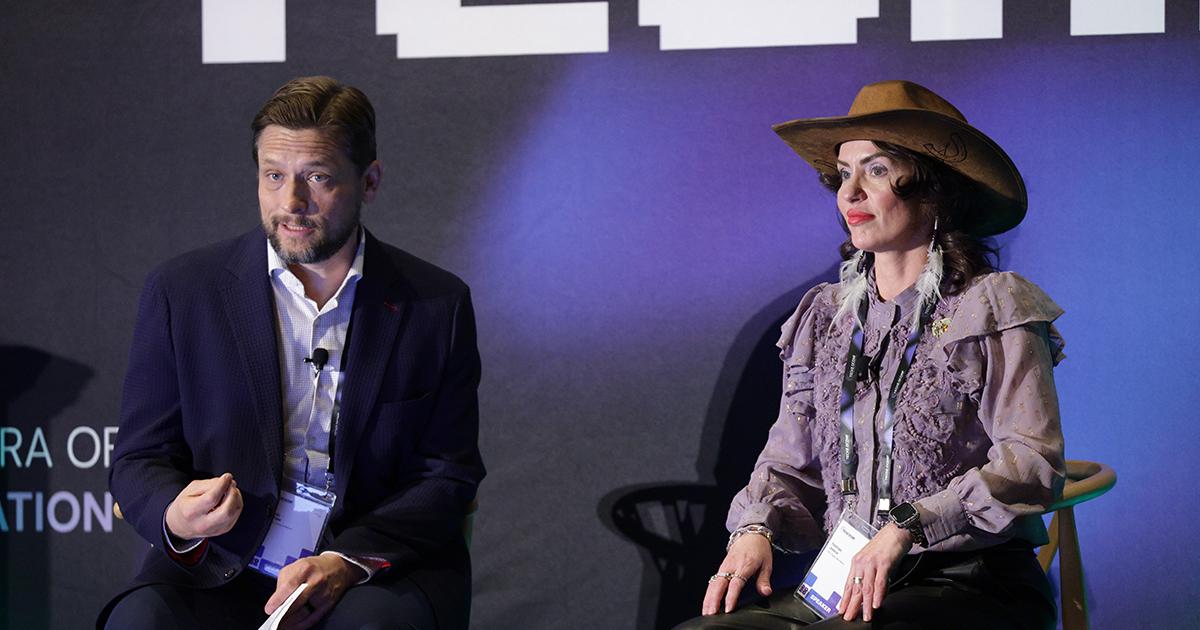
Explore How The 2026 Edition Of Tech 2.0 Conference Examines AI’s Influence On The Modern Workplace
Tech 2.0 Experts On The Future Of Technical Teams In A No-Code AI World
How The Tech 2.0 Conference Helps Leaders Turn Technology Rollouts Into Adoption Success
Tech 2.0 Conference Announces The Scale Agency As Its Marketing Partner
Explore The Future Of Digital Transformation With Tech 2.0 Conference’s Dubai Agenda